CMMC Compliance Starts With Scope, Evidence, and a Roadmap
Cybersecurity Maturity Model Certification, or CMMC, can feel like a technical checklist. In practice, it works better as a practical readiness roadmap: define what is in scope, prove which controls are working, fix the gaps, and keep the evidence current.
Matt Edwards looks at CMMC from an operating perspective. A business needs to know which systems handle Federal Contract Information, or FCI, and Controlled Unclassified Information, or CUI, before it can decide what tools, support tasks, documentation, and supplier reviews are actually required.
Start With The Data Boundary
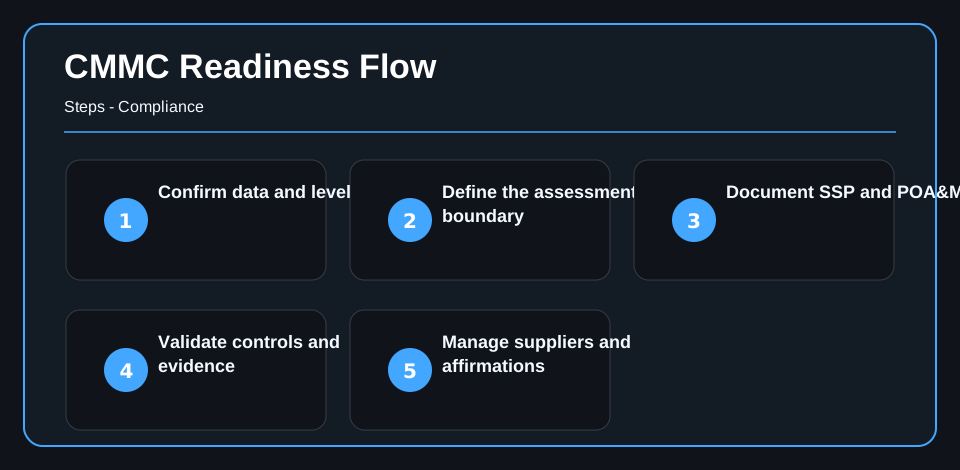
CMMC scope depends on where FCI or CUI is processed, stored, transmitted, or protected. That includes internal systems, cloud services, managed service providers, security tools, and any specialized assets that may sit inside the assessment boundary.
For small and growing teams, this boundary matters because it keeps the project realistic. If every system is treated as in scope, the work can become too broad. If the boundary is incomplete, the assessment evidence will not match the real environment.
The source material supports a controlled environment approach. Keep regulated information in a narrower, well-managed area where possible, then focus security work and evidence collection there.
Pick The Required CMMC Level
The right CMMC level is driven by contract requirements and the type of information the organization handles. Level 1 applies to basic safeguarding of FCI. Level 2 applies to environments that handle CUI and includes requirements based on NIST SP 800-171. Level 3 adds enhanced requirements for higher-risk programs.
That decision affects budget, staffing, assessment method, documentation, and timing. Before buying more tools, teams should confirm the required level and understand whether they need a self-assessment, a third-party assessment, or a government-led assessment path.
Turn Gaps Into Work Items
The System Security Plan, or SSP, describes the environment, implemented controls, boundaries, roles, responsibilities, and interconnected systems. The Plan of Action and Milestones, or POA&M, tracks deficiencies and corrective work.
Those documents should not be treated as paperwork at the end. They are useful support tools. The SSP tells the team how the environment is supposed to work. The POA&M turns missing controls, weak evidence, and remediation needs into owned tasks with target dates.
For teams that already manage support queues, this is familiar discipline. Name the issue, assign the owner, define the fix, collect the evidence, and review progress.
Collect Evidence Before Assessment Pressure
CMMC readiness depends on evidence. A control may be configured, but the team still needs to prove that it applies to the scoped environment and is operating as expected.
Evidence can come from interviews, artifacts, and observation. The source material also identifies hashing as part of the assessment evidence process, which helps preserve integrity for files used to support the assessment.
The practical move is to run a readiness review before the formal assessment. Check the required controls, collect the proof, identify weak areas, and close the gaps before the timeline gets tight.
Do Not Forget Suppliers
Subcontractors and external service providers can affect CMMC readiness when they handle FCI or CUI or provide services that protect the scoped environment. Prime contractors are expected to manage those dependencies.
That means the support plan should include supplier reviews, data flow checks, cloud service expectations, and clear responsibility for managed systems. Sharing less covered information with suppliers can also reduce unnecessary burden when the business can operate that way.
Keep Compliance Alive
CMMC is not finished after one assessment package looks complete. Annual affirmations, reassessment cycles, supplier changes, new systems, and remediation work all need review.
A simple review cadence can keep the program steady. Review scope, inventory, SSP updates, POA&M progress, supplier status, and evidence quality. Then connect the work to broader support and security priorities.
For related planning, EZ Support’s guide to a security strategy roadmap for growing teams explains how to sequence security improvements. The IT risk register guide shows how to record risks, owners, and review dates.
What To Do Next
Confirm the required CMMC level, define the systems that handle FCI or CUI, and build an evidence checklist for the scoped environment. Then turn the missing work into support tasks with owners and review dates.
EZ Support can help teams translate that roadmap into monitoring, access cleanup, supplier coordination, documentation, and practical remediation work.