
Build a Business-Aligned IT Roadmap Before Buying Tools
If you are the owner or operations leader approving IT spend, buying a tool can feel easier than resolving competing requests. But another product can add cost and coordination without deciding which interruption, risk, or growth dependency matters most.
Start with the operating decision: what work will help the business most, what must happen first, who is accountable, and what evidence will show progress? A roadmap connects business goals, support pressure, security risk, ownership, and review cadence before the team adds more technology to manage.
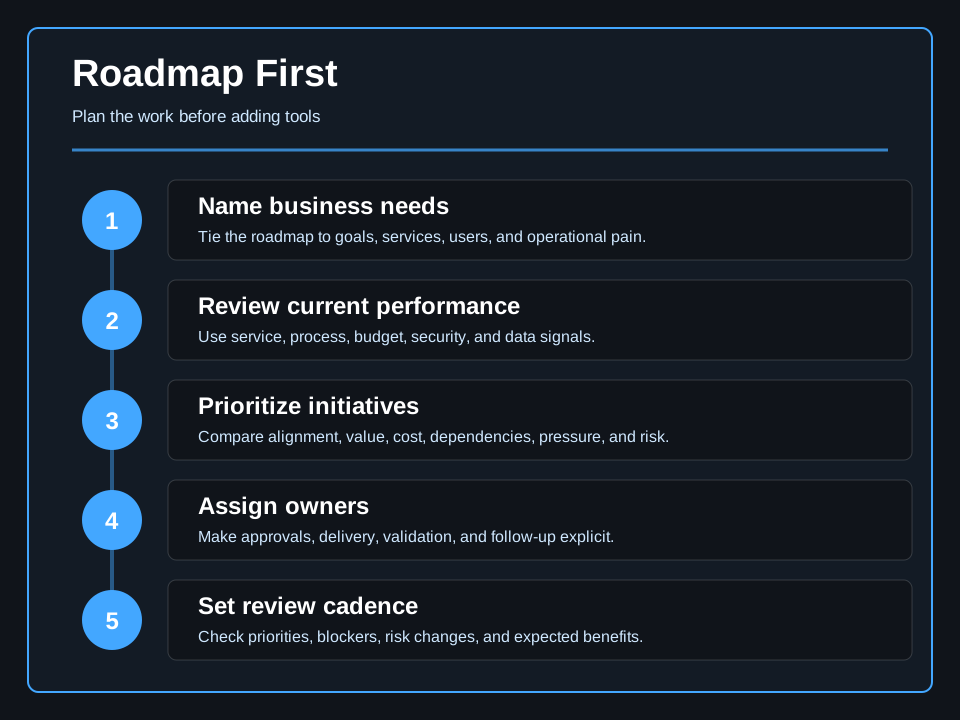
Start With Business Needs
Begin with the goals, services, processes, customer expectations, and operational pain points the business already cares about. Record them in plain language before evaluating projects or products.
This keeps the roadmap from turning into a shopping list. A backup improvement, monitoring change, access cleanup, or service desk enhancement should be tied to a business reason, not only a technical preference.
Look Back Before Planning Forward
A useful roadmap includes a review of current performance. Look at prior initiatives, service satisfaction, process maturity, budget performance, security confidence, and data quality.
For a small or growing team, the exact measurement system can stay simple. The important part is to compare current performance with the outcome the business needs. That helps the team decide whether the next priority is reliability, security, user support, application ownership, reporting, or another practical gap.
Prioritize Initiatives By Value And Pressure
Compare initiatives by strategic alignment, value, visibility, cost, mandatory pressure, dependencies, and risk. Score each factor consistently, record the reason for the score, and use the result to discuss sequence instead of treating every request as equally urgent.
Security and support work benefit from that discipline. A monitoring gap may connect to managed SIEM. A user-risk issue may connect to phishing campaigns. A broader roadmap can connect to the existing guide on a security strategy roadmap for growing teams.
When roadmap pressure comes from audits, customer requirements, or changing regulations, the guide to turning compliance pressure into an IT action plan can help translate obligations into controls, owners, evidence, and review dates.
Assign Owners Before Work Starts
Initiatives need owners, expected benefits, dependencies, and a timeline. Without those details, the roadmap can look clear while the execution remains vague.
Ownership is especially important for support teams because work often crosses systems, users, vendors, and security responsibilities. Someone needs to know who approves the change, who performs it, who confirms the result, and when the team reviews progress.
Keep The Roadmap Under Review
Include metrics, targets, stakeholder management, budget, risk, and refresh cadence in the roadmap. That is the difference between a one-time plan and a living roadmap.
Review cadence does not need to be heavy. A simple recurring review can ask whether priorities still match the business, whether owners are blocked, whether risk has changed, and whether the expected benefits are showing up.
What To Do Next
Write down the business goals and support pressures that matter most this quarter. Then choose the initiatives that best improve continuity, employee experience, risk handling, or an agreed growth priority. Add approval owners, delivery owners, dependencies, target outcomes, and review dates before buying another tool.
For help connecting operating responsibility, service standards, and review cadence, continue to IT Operations and Management expertise. A roadmap makes tradeoffs visible; it does not prove that every proposed benefit will occur.